
How Bed Bugs Spread
If you're concerned about how bed bugs spread, local service providers can perform effective fumigation to eliminate these pests and prevent further infestation.
Understanding how bed bugs spread is essential for property owners looking to prevent and address infestations effectively. Bed bugs are skilled hitchhikers, often traveling through luggage, clothing, or furniture, making even well-maintained spaces vulnerable. Recognizing common ways these pests move from one location to another can help property owners take practical steps to reduce the risk of an infestation taking hold. Local service providers specializing in bedbug fumigation can offer targeted solutions once the source or spread pattern is identified, helping to restore comfort and peace of mind.
For property owners in the area, exploring how bed bugs spread is a proactive way to protect homes, apartments, or commercial spaces. Whether dealing with an active problem or aiming to prevent an outbreak, understanding these mechanisms can inform smarter decisions about cleanliness, travel habits, and furniture purchases. When the time comes to eliminate bed bugs, experienced local contractors are equipped to handle treatment plans tailored to specific situations, ensuring thorough eradication. Keep reading to learn more about how these pests move and how professional fumigation services can help safeguard your property.
- Bedbug Fumigation - needed when bed bugs have spread through multiple rooms or furniture, and local contractors use targeted treatment methods to eliminate infestations.
- Infestation Inspection - required when there is suspicion of bed bugs spreading via luggage, clothing, or shared bedding, with pros conducting thorough inspections to determine the extent.
- Clutter Removal Services - advised when clutter may be facilitating the spread of bed bugs, with specialists clearing spaces to improve treatment effectiveness.
- Furniture Treatment - necessary if bed bugs have spread through infested furniture, with local service providers applying treatments to affected items to prevent further spread.
- Emergency Bedbug Control - sought when bed bugs are rapidly spreading in a property, with pros providing immediate fumigation solutions to contain and eliminate the infestation.

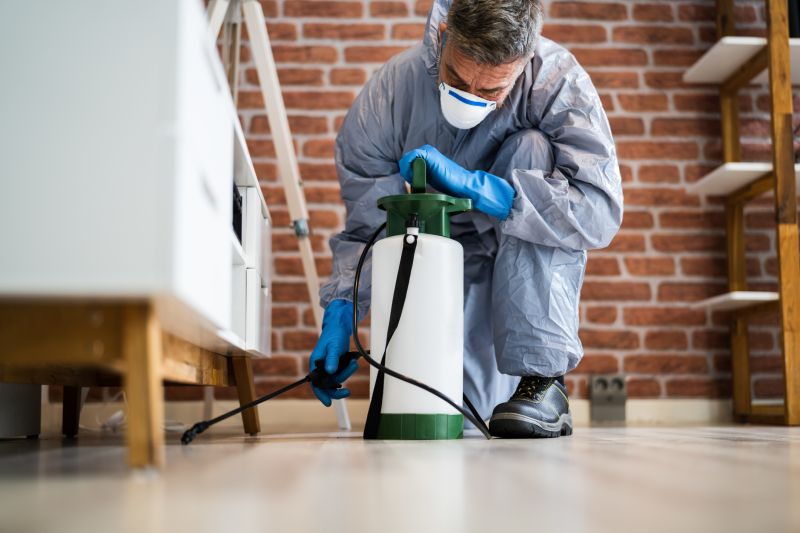
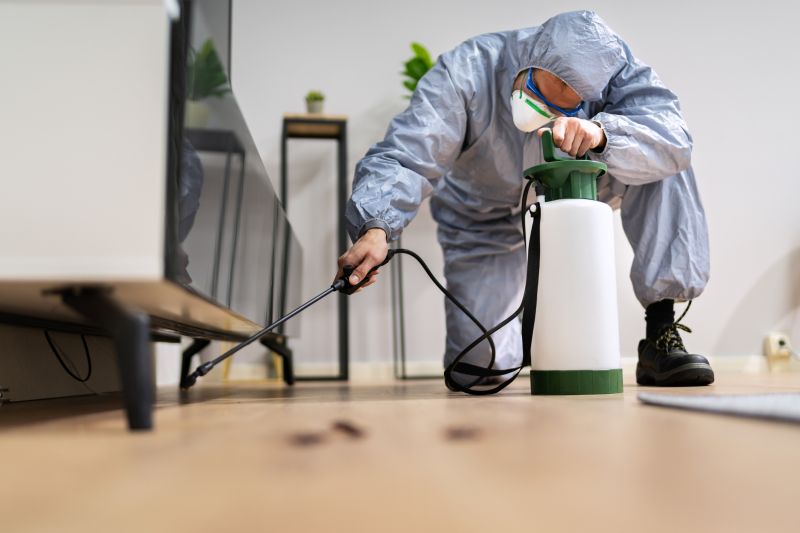
Understanding how bed bugs spread is a common concern for homeowners dealing with or trying to prevent an infestation. When people search for this topic, they often want to know how these tiny pests move from one place to another, especially within a home or between different properties. Many are concerned about how bed bugs can appear seemingly out of nowhere, and they seek practical insights into their movement patterns. This knowledge helps homeowners identify potential sources of infestation and take steps to reduce the risk of bed bugs spreading further. Local bedbug fumigation service providers are essential in addressing these concerns, as they can offer targeted treatments to eliminate pests and prevent their spread.
The issue of how bed bugs spread is closely related to problems like ongoing infestations, repeated re-infestations, and the planning of effective pest control strategies. Homeowners often worry about bed bugs hitchhiking on personal belongings, furniture, or clothing, making it crucial to understand their movement. For those preparing for a pest management plan, knowing how these pests spread can influence decisions about cleaning, packing, or replacing furniture. Additionally, understanding their modes of travel helps in planning comprehensive treatments that target all potential hiding spots and pathways. Local service providers play a key role in implementing these strategies, offering expertise to break the cycle of spreading and ensure thorough eradication.
Certain types of properties are more susceptible to the spread of bed bugs, including apartments, condominiums, hotels, and multi-family housing units. These environments often have close quarters and shared spaces, which facilitate the movement of bed bugs between units or rooms. Homes with clutter, secondhand furniture, or recent travel history are also at higher risk of experiencing or spreading infestations. Commercial properties, like dormitories or shelters, can similarly become hotspots if infestations are not promptly addressed. For homeowners and property managers, understanding the common property types involved in bed bug spread underscores the importance of regular inspections and professional treatments. Local pest control providers are equipped to handle these environments effectively, helping to contain and eliminate bed bugs before they can spread further.
By understanding the ways bed bugs spread, homeowners can better recognize the importance of prompt and professional intervention. Bed bugs are notorious for hitchhiking on luggage, clothing, and even used furniture, making travel and secondhand purchases common vectors for spreading. They can also move through wall voids, electrical outlets, and along baseboards within a property, especially if there are multiple units or shared spaces involved. Knowing these movement patterns emphasizes the need for comprehensive treatment plans that address all potential pathways. Local bedbug fumigation experts are trained to identify how pests may be traveling within a property and to implement targeted solutions that prevent further spread, helping homeowners regain control over their living spaces.
Pest Control Planning - this involves strategizing treatment approaches to prevent the spread of bed bugs and similar pests, requiring knowledge of infestation patterns and effective treatment methods.
Property Inspection Services - inspecting residential and commercial spaces helps identify how bed bugs spread within and between rooms, aiding in targeted treatment planning by local contractors.
Exclusion and Sealant Projects - sealing entry points and cracks can limit bed bugs' movement, which is a skill shared with other pest prevention services that focus on barrier methods.
Furniture and Clutter Removal - clearing infested items reduces bed bug hiding spots and prevents spread, a process often used in services that manage infestations in cluttered environments.
Customer Education Programs - these initiatives inform clients on how bed bugs spread and best practices to prevent infestation movement, similar to educational efforts in other pest-related projects.
Treatment Site Preparation - preparing spaces for pest control treatments involves understanding how pests spread and ensuring effective application, a skill applicable to various pest management services.

When evaluating local contractors for bedbug fumigation services, it’s important to consider their experience with similar projects. Homeowners should look for service providers who have a proven track record in handling bedbug infestations, especially in environments comparable to their own homes. An experienced contractor will understand the common ways bed bugs spread and be familiar with the most effective treatment methods. This background can help ensure that the pest control approach is tailored to the specific situation, increasing the likelihood of successful eradication.
Clear written expectations are essential when comparing service providers. Homeowners should seek out contractors who provide detailed descriptions of their treatment process, what the service includes, and any necessary follow-up steps. Having this information in writing helps set realistic expectations and provides a basis for understanding what the fumigation will involve. It also allows for better communication and reduces the chances of misunderstandings about the scope of work, ensuring that both parties are aligned before any work begins.
Reputable references and effective communication are key indicators of a trustworthy service provider. Pros who can provide references from previous clients or case studies of similar infestations demonstrate transparency and experience. Good communication throughout the process - whether answering questions clearly or providing updates - helps homeowners feel informed and confident in their choice. Choosing a local contractor who values clear, ongoing communication and has a history of satisfied customers can contribute to a smoother, more predictable treatment experience when addressing how bed bugs spread and preventing future infestations.
Property owners often search for how bed bugs spread when they are planning practical projects around their homes and businesses. Local pros provide Bedbug Fumigation services for everyday jobs and straightforward project options.
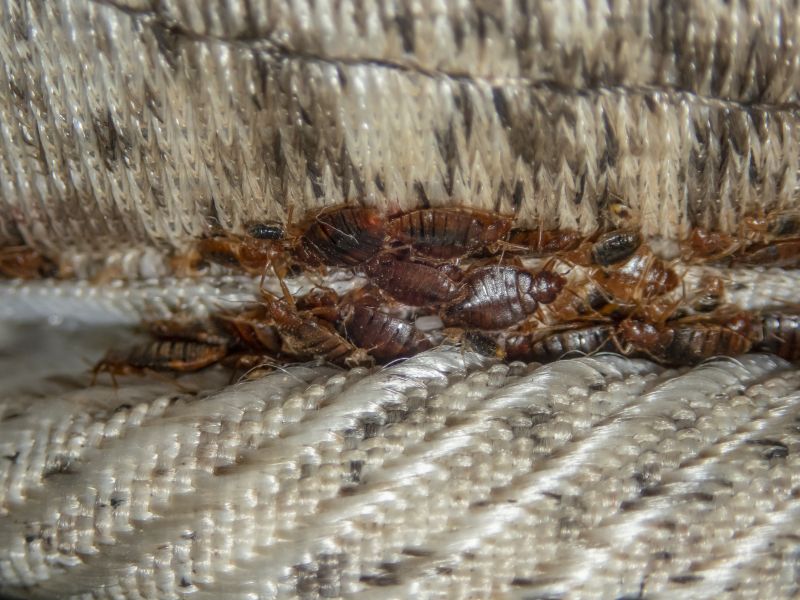
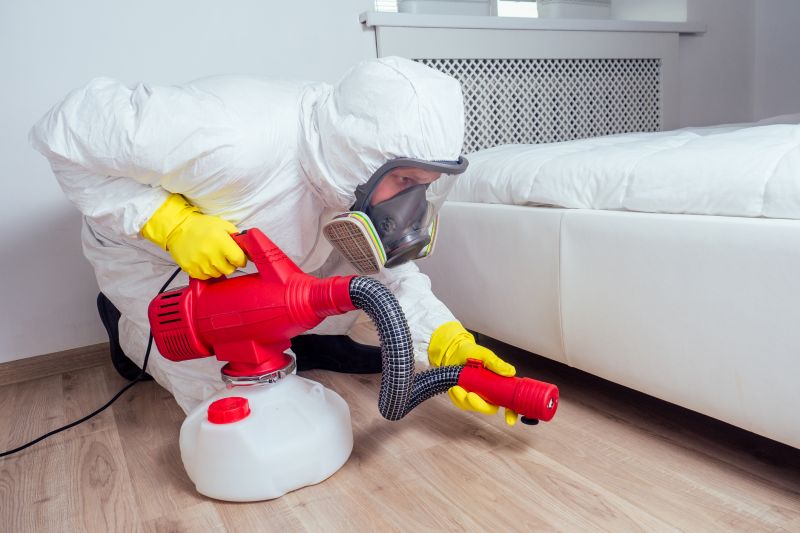
Understanding how bed bugs spread can help property owners identify potential risks and prevent infestations before they become severe. Common scenarios include bringing secondhand furniture, clothing, or bedding into a home, which can unknowingly introduce bed bugs from other locations. Additionally, travel often plays a role, as bed bugs can hitch a ride in luggage, backpacks, or on clothing after staying in infested hotels or accommodations. Property owners in the area who notice signs of bed bugs may consider reaching out to local contractors experienced in bedbug fumigation services to effectively address the issue.
Everyday activities and shared spaces can also contribute to the spread of bed bugs. For example, visiting friends or family, using communal laundry facilities, or staying in temporary accommodations can all increase the chance of encountering these pests. Since bed bugs are skilled at hiding and traveling, local service providers who specialize in bedbug fumigation are available to help eliminate infestations and prevent further spread. Connecting with experienced professionals can ensure that the problem is handled thoroughly and efficiently, giving property owners peace of mind.
How do bed bugs typically spread between rooms or units? Bed bugs often spread through shared walls, hallways, or common areas, hitchhiking on personal belongings like luggage, clothing, or furniture when moving between spaces.
Can bed bugs spread via clothing or personal items? Yes, bed bugs can latch onto clothing, backpacks, or other personal items, allowing them to be transported from infested areas to new locations.
Are bed bugs likely to spread through furniture or bedding? Bed bugs can spread through infested furniture or bedding, especially if items are moved or shared between rooms or residences without proper treatment.
How do bed bugs spread in multi-unit buildings? In multi-unit buildings, bed bugs can crawl through wall voids, electrical outlets, or plumbing gaps, moving from one unit to another if infestations are present.
What role do pests or animals play in spreading bed bugs? Pests or animals are not common spread agents for bed bugs; they primarily spread through human belongings and movement within infested environments, making local pros essential for effective treatment.
Understanding how bed bugs spread can help property owners identify high-risk areas and prevent infestations with the help of local contractors.
Identifying common transfer points such as luggage, furniture, and clothing allows property owners to implement targeted prevention strategies with local pros.
Recognizing signs of bed bug movement enables property owners to act quickly and schedule professional fumigation services to address potential spread.
Implementing hygiene and cleaning practices can reduce the chances of bed bugs spreading between rooms or neighboring units with assistance from local service providers.
If you are thinking about how bed bugs spread for a property, this guide is meant to help you understand this topic, the typical project types, and how different options might fit your plans.
When you are ready, you can use the quote form on this page to share a few details about your project. From there, local pros can review the basics and follow up with options that match what you have in mind.