
Fumigation vs. Traditional Pest Control: Key Differences
People searching for fumigation pest control are typically aiming to eliminate severe infestations, and local contractors can provide effective fumigation services tailored to their needs.
Understanding the differences between fumigation and traditional pest control is essential for property owners facing pest challenges. Whether dealing with a stubborn infestation or seeking a targeted approach, knowing which method aligns with specific needs can make a significant difference. Property owners in the area often explore this topic to determine the most effective and practical solution for their homes or businesses, especially when considering the scope of the pest problem and the type of pests involved. Local service providers specializing in pest management can offer insights into these methods, helping property owners make informed decisions that suit their unique situations.
As the conversation around pest control options continues to grow, it’s helpful to understand how fumigation and traditional treatments differ in approach and effectiveness. Fumigation, for example, typically involves a comprehensive process that can eliminate pests in hard-to-reach areas, making it suitable for severe infestations. Traditional pest control methods often focus on ongoing treatments targeting pests at different life stages, which may be preferable for less extensive issues. Local contractors experienced in both techniques can guide property owners through these differences, ensuring they choose the right pest control strategy for their property’s specific needs.
- Fumigation services are often needed for severe infestations or when pests are hidden in hard-to-reach areas, with local contractors using specialized equipment to ensure thorough treatment.
- Traditional pest control is suitable for routine prevention or minor pest issues, with service providers applying targeted treatments that focus on specific pests and entry points.
- Fumigation pest control is typically selected for large-scale or persistent infestations, with local pros preparing the space to contain the fumigant and ensure safety during the process.
- Traditional pest control is preferred for ongoing pest management, where local contractors develop customized plans to monitor and treat pests over time.
- Fumigation services may be required for pests that develop resistance to conventional methods, with local pros providing expert handling of the entire fumigation process to eliminate the problem.
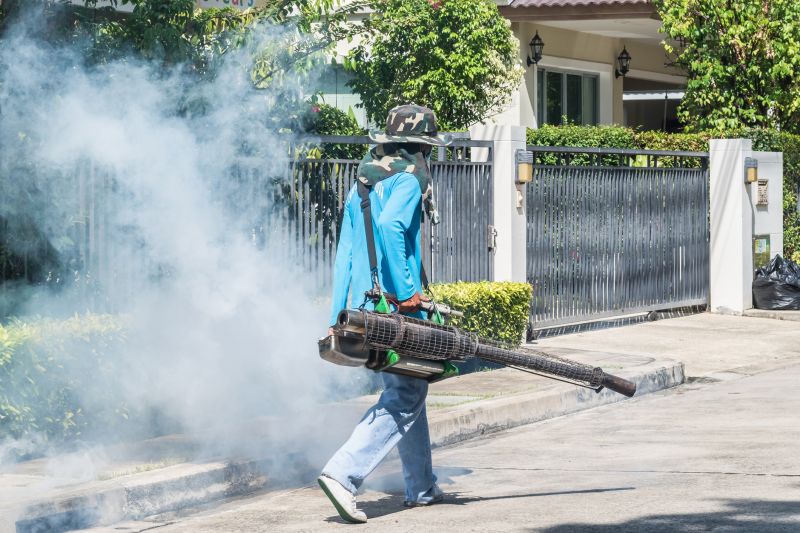

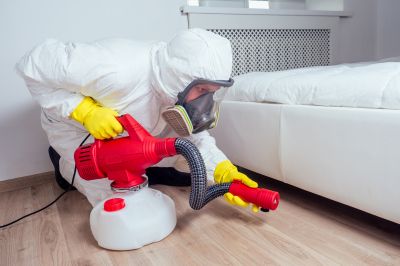
When people search for information about fumigation vs. traditional pest control, they are often trying to understand the most effective way to eliminate severe pest infestations or prevent future problems. This comparison typically arises when homeowners face persistent issues with pests such as termites, bed bugs, or rodents, especially when initial treatments have failed or when infestations are widespread. The goal is to determine which approach best suits their specific situation, property type, and pest problem. Understanding the key differences helps homeowners make informed decisions about whether a comprehensive fumigation or a more targeted, conventional pest control method is appropriate for their needs.
Fumigation involves the use of gaseous chemicals to completely eradicate pests from an entire structure, often requiring the property to be sealed off temporarily. It is usually considered for severe infestations or when pests are hidden deep within the building’s structure, such as termites inside walls or bed bugs hiding in furniture and bedding. Traditional pest control, on the other hand, typically employs spot treatments, baits, and residual sprays to target pests directly and is more suitable for ongoing maintenance or less extensive infestations. Homeowners planning a pest management strategy should consider the scope of the problem, the severity of the infestation, and the property’s layout when evaluating these options.
The types of properties that often come up in discussions about fumigation vs. traditional pest control include residential homes, especially those with multiple stories or extensive woodwork, as well as commercial buildings like hotels or warehouses. Homes with severe termite damage or widespread bed bug issues are common candidates for fumigation, which can penetrate hard-to-reach areas more effectively. Conversely, traditional pest control methods are frequently used in single-family residences or smaller commercial spaces where pests are localized, and ongoing maintenance can prevent future issues. Local service providers can assess the property’s specific needs and recommend the most suitable approach based on the severity of the pest problem and the property’s characteristics.
For homeowners exploring these options, understanding how local pros fit into the process is key. While fumigation offers a comprehensive solution for intense infestations, it is often a more involved process requiring specialized equipment and precautions. Traditional pest control, by contrast, provides flexible, targeted treatments that can be integrated into regular maintenance routines. Local contractors experienced in both methods can help evaluate the property, identify the pest problem’s extent, and recommend the most effective treatment plan. This ensures that the chosen approach aligns with the property’s needs and helps prevent future pest issues through proper management and ongoing service options.
Termite Treatment Projects - Local contractors specializing in termite treatments utilize fumigation and traditional methods, requiring careful planning and specific tools to effectively eliminate infestations.
Structural Pest Inspection Services - These projects involve detailed inspections that help determine the appropriate pest control approach, whether fumigation or traditional methods, based on the severity of the infestation.
Warehouse Pest Management - Managing pests in large storage facilities often involves large-scale fumigation or targeted traditional treatments, relying on expertise in planning and application techniques.
Bed Bug Eradication Projects - Both fumigation and traditional pest control are used for bed bug removal, with local service providers tailoring strategies to the specific needs of the infestation.
Food Processing Facility Pest Control - Ensuring compliance and sanitation involves specialized pest management plans that may include fumigation or conventional treatments, requiring precise execution and planning.
Wildlife Exclusion and Pest Prevention - Projects focused on preventing pest entry often involve planning and execution skills similar to fumigation and traditional pest control, especially when dealing with structural barriers and habitat modification.
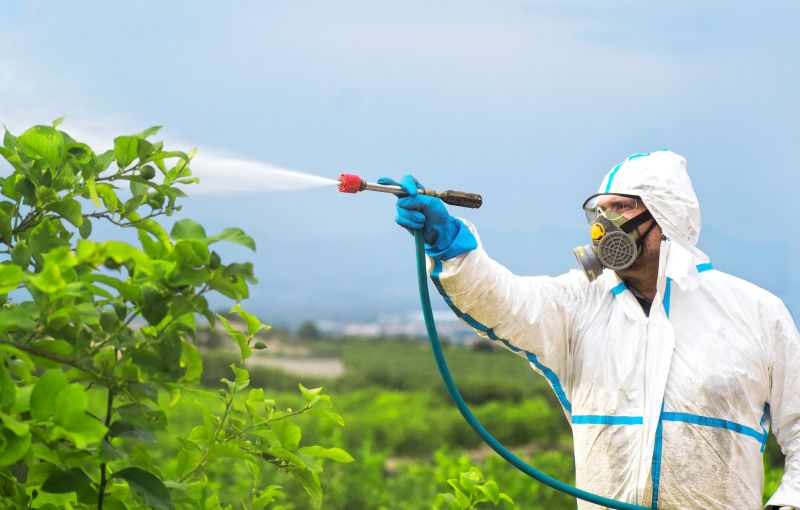
When evaluating local contractors for pest control services, it is important to consider their experience with similar projects, particularly when choosing between fumigation and traditional pest control methods. A service provider with a proven track record in handling the specific type of infestation or property size can offer insights into the most effective approach. Asking for examples of past work or references related to fumigation or comparable treatments can help gauge their familiarity with the nuances of each method, ensuring the chosen professional understands the complexities involved.
Clear, written expectations are essential when comparing local contractors for pest control services. This includes detailed descriptions of the treatment process, what the homeowner can expect during and after the service, and any necessary preparations or precautions. Well-defined documentation helps prevent misunderstandings and provides a reference point for the scope of work. It also allows homeowners to compare how different service providers communicate their plans and procedures, which is a key aspect of choosing a professional who can deliver transparent and reliable service.
Effective communication and reputable references are critical factors when selecting local pros for pest control. A reputable contractor should be willing to share references or testimonials that demonstrate their ability to successfully manage pest issues similar to fumigation or traditional treatments. Good communication involves promptly addressing questions, providing comprehensive explanations about the differences between fumigation and traditional pest control, and ensuring the homeowner feels informed throughout the process. These qualities help build confidence in the service provider’s professionalism and reliability, making it easier to choose a contractor who can meet specific pest management needs effectively.
Property owners often search for fumigation vs. traditional pest control: key differences when they are planning practical projects around their homes and businesses. Local pros provide Fumigation Pest Control services for everyday jobs and straightforward project options.


In many property situations, understanding the differences between fumigation and traditional pest control methods is essential for effective pest management. Fumigation typically involves sealing a structure and introducing a gas to eliminate pests throughout all areas, making it suitable for severe infestations or hard-to-reach pests like termites or bed bugs. Traditional pest control, on the other hand, often relies on targeted treatments such as sprays, baits, or traps that focus on specific pests and areas, which can be more appropriate for routine or less extensive issues. Property owners in the local area might look up this topic to determine which approach best fits their needs, especially when dealing with persistent pests or large infestations.
Local service providers offer expertise in both fumigation and traditional pest control techniques, helping property owners choose the most effective solution for their situation. Whether a property requires a comprehensive fumigation to eradicate a severe pest problem or targeted treatments for ongoing pest management, local contractors can assess the situation and recommend appropriate services. Understanding the key differences can help property owners make informed decisions and connect with the right professionals to handle their pest concerns efficiently.
What is the main difference between fumigation and traditional pest control? Fumigation involves sealing a space and using gaseous pesticides to eliminate pests throughout an area, while traditional pest control typically uses spot treatments or sprays to target pests directly.
When should fumigation be considered over traditional pest control? Fumigation is often recommended for severe infestations or when pests are hidden in hard-to-reach areas, whereas traditional methods are suitable for minor or localized pest issues.
Are there specific pests that are better treated with fumigation? Yes, pests like termites, bed bugs, and certain stored product pests are often more effectively managed with fumigation due to their hidden or widespread nature.
Can local service providers perform both fumigation and traditional pest control? Yes, many local contractors offer both services, allowing them to recommend the most effective treatment based on the pest problem and property specifics.
What are the typical differences in application between fumigation and traditional pest control? Fumigation requires sealing the space and releasing gas, often for a day or more, while traditional pest control involves applying liquids, powders, or sprays directly to affected areas.
Understanding pest types - Property owners can identify whether fumigation or traditional pest control is more suitable based on the pests present in their home or business.
Assessing treatment scope - Evaluating the size and severity of an infestation helps determine if a comprehensive fumigation or targeted traditional methods are needed.
Choosing treatment methods - Deciding between fumigation and traditional pest control can be guided by the type of pests and the property's specific conditions, with local contractors offering expert advice.
Planning for property access - Preparing a space for fumigation or traditional treatments involves coordinating with service providers to ensure proper access and safety measures are in place.
If you are thinking about fumigation vs. traditional pest control: key differences for a property, this guide is meant to help you understand this topic, the typical project types, and how different options might fit your plans.
When you are ready, you can use the quote form on this page to share a few details about your project. From there, local pros can review the basics and follow up with options that match what you have in mind.